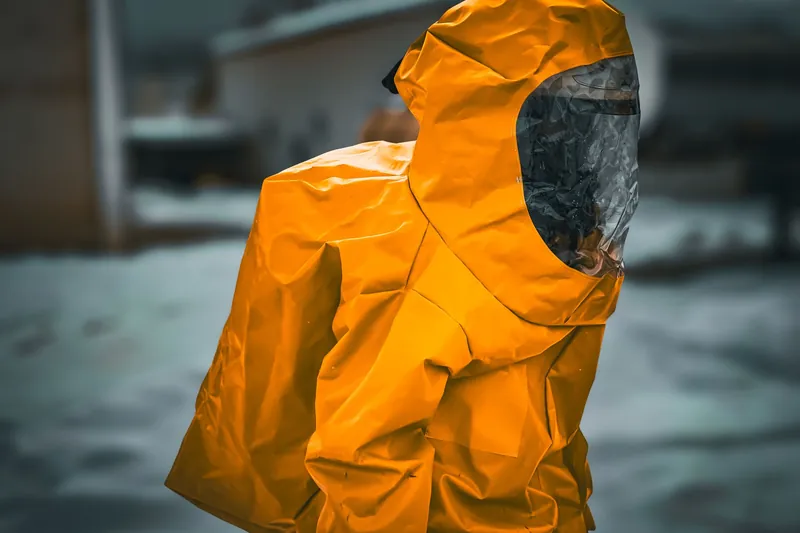
Biohazard Cleanup
Cleanup removes infectious material, including blood and body fluids, and disinfects the property.
See biohazard cleanupWhen blood, bodily fluids, sewage or another biological hazard makes a space unsafe, keep people away and get clear next steps right away. Cleanup can begin after law enforcement or other officials release the affected area.
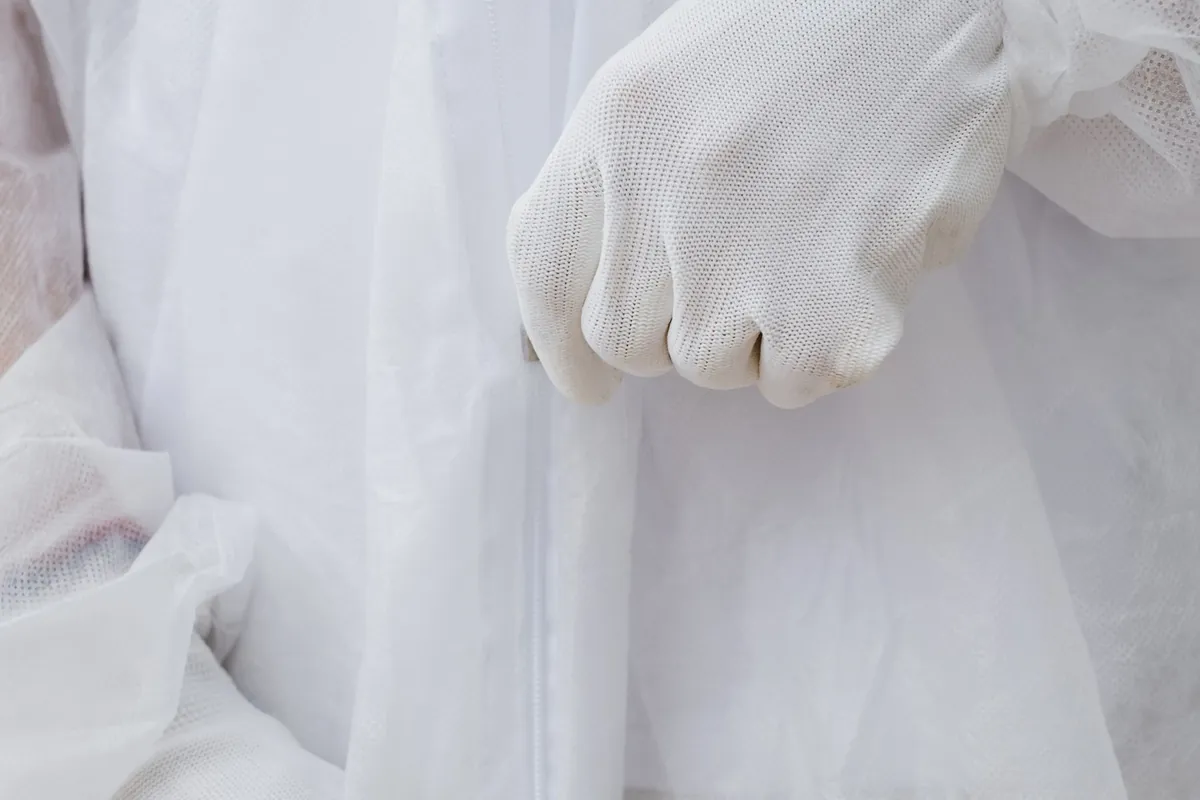
Emergency biohazard cleanup urgently controls and removes biological contamination, then cleans and disinfects the affected space. It applies to human waste, blood, bodily fluids and other material that could cause illness or injury through exposure.
A serious blood spill, accident, sewage backup, crime scene, unattended death or trauma scene may create the need. Preventing contamination from reaching nearby spaces is the first focus of emergency cleanup. Technicians determine which areas and materials are affected, contain the space and choose a safe sequence for the work.
Biohazard remediation addresses hazards that cleaning away visible soil alone does not. The work covers appropriate protective equipment, controlled removal of affected materials and thorough surface cleaning. An EPA-registered disinfectant remains for its full label contact time. Hazardous waste is packaged, odors are treated and a final inspection supports the space's return toward ordinary use.
Crews arrive in unmarked vehicles. Privacy around the work zone can be maintained from neighbors, guests and clean sections of your property.
Day or night, you can describe what occurred and receive immediate safety guidance while scene release, access and cleaning requirements are evaluated.
Photos, scope notes and waste records can help you explain the biohazard remediation work to an insurance company or property manager.
Before the cleanup process proceeds, you learn which items can be cleaned, which might be removed and what factors influence price.
Biological material calls for emergency cleaning when it could spread within a vehicle, home or workplace, or when it presents a serious risk to health. Situations commonly include:
Blood can enter porous layers and seams beneath floors, furniture or walls. Keep others away and do not walk through the spill.
Water from a sewage backup is Category 3 black water. Flooring, walls and contents may need cleaning, drying or removal.
Following a suicide, accident or violent event, affected areas can include one room or several and contain bodily fluids and damaged materials.
A death found after time has passed may require fluid removal, odor treatment and careful sorting of nearby belongings.
Your immediate priority is limiting contact and stopping contamination from moving. As you make professional cleanup arrangements, take the following steps:
Call (888) 440-9227Published guides contain no emergency-specific cost range. General cleanup guides place typical national biohazard work at $3,000 to $5,000. They give $1,800 to $4,500 as the residential average and place most residential jobs at $2,500 to $8,000. Fixr's published overall span runs from $1,500 to $25,000. How urgently the work is needed can influence its final price.
These ranges come from published national cost guides, not from a site visit. An on-site assessment determines your property's price, which is explained to you before the cleanup starts.
Ask about cost: (888) 440-9227Some homeowners, renters and commercial policies may cover biohazard cleanup when it follows a covered sudden event, but coverage depends on the policy, cause, limits and deductible.
Victims of violent crime can ask the Louisiana Crime Victims Reparations Board, supported by the Louisiana Commission on Law Enforcement, about crime scene cleanup. The program lists it among eligible expenses. Insurance is usually checked first.
Save your scene release, claim identifier, photographs, work scope, bills and documentation for waste. Ask what documentation the adjuster requires before work changes the scene.
If you rent, report the situation to your property manager or landlord. The cause and place of contamination, along with lease and policy terms, can determine responsibility.
When contacting the insurance company, describe what occurred and confirm whether cleaning, removal, odor treatment and future repairs are covered by the claim.
The emergency response follows a controlled order so contaminated material does not move into clean areas. Every situation is different, but the cleanup process usually includes these steps:
Cleanup technicians determine the contamination type and trace the affected area while noting materials, entry limits and current safety concerns.
Clean spaces are isolated from the work area. Protective clothing and equipment are selected for the exposure and tasks.
Crews remove fluids and contaminated material while preventing further transfer. Materials that cannot be fully cleaned are removed in controlled sections.
Disinfection follows the removal of visible soil. Removing debris allows disinfectant to contact the actual surface rather than rest on material above it.
An EPA-registered disinfectant is applied to surfaces that can be cleaned, which remain wet for the entire label contact time.
Medical or regulated waste requirements call for contaminated materials and sharps to travel in proper sealed containers.
Once source material is gone, suitable treatments such as air scrubbers can address particles and odor within the space and connected air routes.
Crews examine the work zone to find residual contamination. For property owners, communication with insurance companies may be supported by waste documentation, work notes and photographs.
You can call anytime. Your emergency 24/7 biohazard cleanup specialist answers the phone, describes what happens next and works with you on a start time.
Blood, body fluids, sewage and sharps can create serious health risks, even when the affected area looks small or dry.
Fluids can travel under baseboards and soak through carpet, padding, subfloor, drywall or furniture. Cleaning only what you see might leave contamination underneath.
You may feel upset by a sudden biohazard, especially after someone dies or a traumatic event occurs. A person you trust can coordinate access so you do not have to be near the scene.
Blood can contain HIV, hepatitis C or hepatitis B. Dried blood needs cautious handling because, according to the CDC, hepatitis B may live on surfaces for at least seven days.
Can you clean it yourself? Cleaning a few drops of fresh blood from non-porous, hard material may be possible with single-use gloves and disinfectant registered by the EPA, applied for the full labeled contact time. Seek professional cleanup when the source is unknown, the spill reached porous material, sharps are present or you cannot see its full boundary.
If a surface is accessible and allows full cleaning and disinfection, it can be kept. A porous item must be removed once contamination has soaked past the point where cleaning will work.
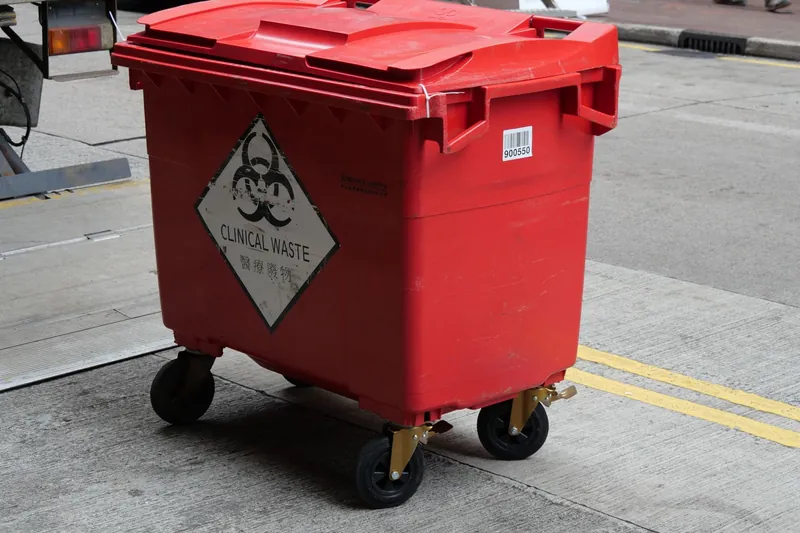
No single cleanup timeline applies to every situation. The schedule varies with the kind of contamination, affected area count and materials involved, along with any fluid penetration into hidden layers and the time at which authorities release the scene.
| Scene | Typical time on site |
|---|---|
| Minor surface contamination on non-porous material | After evaluation, the work might be finished in one work period |
| One affected room where porous items must come out | May involve multiple phases that cover cleaning, material removal and inspection |
| Several rooms, odor or structural impact | May require multiple work periods before restoration begins |
Finding the contaminated source and taking it out is the starting point for odor removal. Surface sprays or fragrance will not resolve fluid beneath floors, within furniture or behind walls. Before treating the air, those affected materials must either be removed or cleaned.
HEPA air scrubbers may filter particles carried in the air as the workspace remains controlled. In an appropriate occupied setting, hydroxyl treatment may be possible. Ozone can only be used with the controlled space empty and reentry managed carefully. Method selection varies according to affected materials, the source and air movement paths. HVAC openings are examined when odors may have spread into nearby spaces.
The full emergency 24/7 biohazard cleanup guide covers what is cleaned or removed, odor and air quality work, and the rules that apply in Louisiana.
Read the full emergency 24/7 biohazard cleanup guideContainment, entry and cleanup plans can be influenced by local housing, population and access details.
The 48.6% rental share makes it important to identify the decision maker before porous building materials are removed.
Because the median home dates to 1970, cleanup plans should distinguish washable surfaces from absorbent carpet, padding, and wallboard.
There are 319 seniors living alone locally, making simple welfare check plans useful even when the overall share is lower.
With 74.3% single-family housing, crews may need to inspect basements, crawl spaces, garages, and other areas unique to detached homes.
Ask on the call about cleanup options for neighboring communities and ZIP codes.
Cleanup removes infectious material, including blood and body fluids, and disinfects the property.
See biohazard cleanup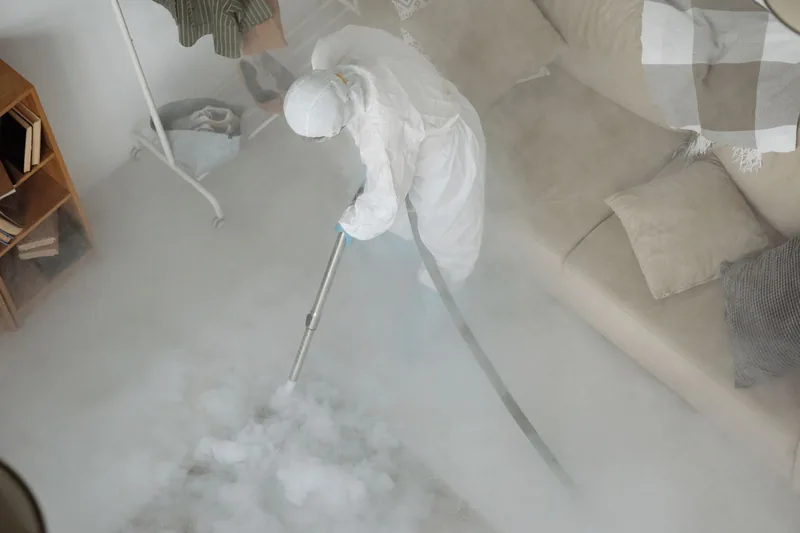
After exposure to infectious or hazardous material, the air, room and surfaces are fully decontaminated.
See biohazard decontamination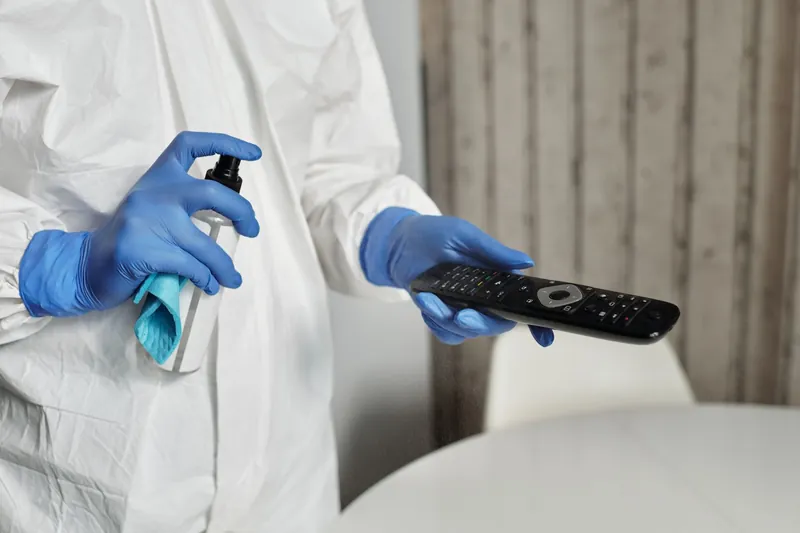
Contamination is cleared through biological remediation, returning the space to safe use.
See biohazard remediation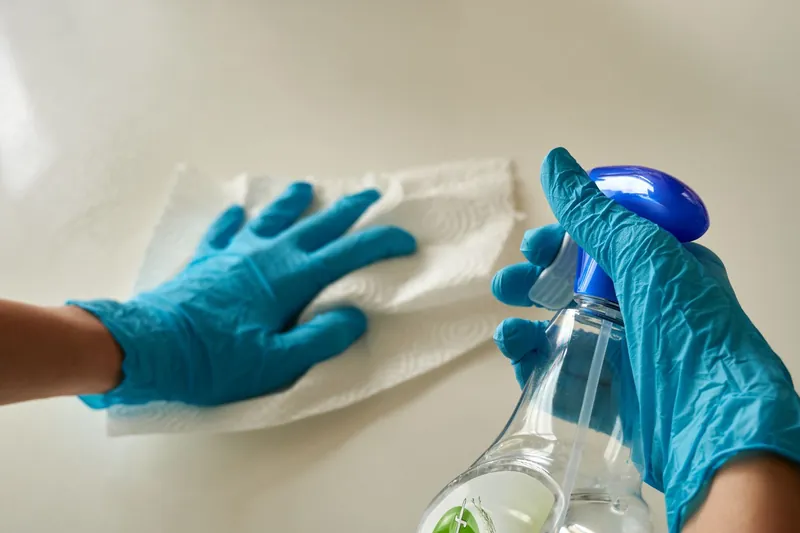
Walls, carpets, furnishings and hard floors receive blood cleanup, with safe disposal afterward.
See blood cleanup
Trauma scene cleanup after accidents, injuries and violent events.
See trauma scene cleanup
After police release the property, crime scene cleaning addresses blood and odor.
See crime scene cleanup
Decomposition cleanup and odor control are needed after a death goes unnoticed for several days.
See unattended death cleanup
Raw sewage cleanup of Category 3 black water, with disinfection and drying.
See raw sewage cleanupYes, biohazard cleanup can address odor caused by the scene. Source removal comes first because fragrance alone only masks the problem. After contaminated materials are cleaned or removed, suitable air treatment can address remaining odor. Nearby spaces and HVAC vents may also be inspected to find air routes affected by the scene.
Emergency responders, law enforcement and medical examiners complete their work without cleaning the affected property. Scene release comes before the family, owner, landlord or another responsible party can arrange death cleanup. A professional cleanup team can remove contamination, disinfect surfaces, treat odor and document the work.
Using gloves and disinfectant registered by the EPA for the entire contact time may make a few fresh drops of your blood manageable on sealed hard material. Do not try cleaning an area with sharps, affected absorbent material, an uncertain source or spill edges you cannot see.
Timing is based on what contamination exists, which materials and rooms are affected, and if fluid has reached walls, furniture or areas beneath flooring. One work period may cover a small hard-surface area. When cleanup spans several rooms, takes out porous items or treats odors, multiple work stages can come before restoration.
Items affected by blood, sewage, human waste or certain bodily fluids can be biohazardous, as can sharps and those substances themselves. The degree of risk varies by source, quantity, surface type and how exposure could occur. When the source and full reach are not clear, block others from entering and ask for direction before handling any part of the spill.
Published pricing guides contain no distinct range for emergency work. According to general biohazard guides, $3,000 to $5,000 is typical nationally and $1,800 to $4,500 represents the residential average range. Urgency, waste disposal, porous items, affected area size and contamination type can each influence the total price.
Crews carry out respectful, discreet emergency 24/7 biohazard cleanup, arrive in unmarked vehicles and take calls 24 hours a day.